
Blogs

The problem with trying
F.M. Alexander — “Trying is only emphasising the thing we already know”
We live in a culture that tells us that if we aren’t slogging away, straining, or constantly improving ourselves, we are failing.
So, when we try to improve our health, our posture, or our mental state, we apply that same mindset and willpower.

Mental habits and excessive muscle tension
Alexander observed that people often bring immense, stressful effort even to the act of resting. When pointed out, a student would invariably reply, "I am trying to do nothing!" Alexander noted, "He actually believes that he has something to do to do nothing. To such a point can we be led by our belief in concentration!"
When our awareness narrows into this hyper-focused, straining tunnel vision mode, our nervous system interprets that intensity as a subtle threat. In response, it automatically spikes our muscular tone—bracing our neck, locking our back and limbs, and restricting our breath.
How our awareness of our environment affects muscular tone
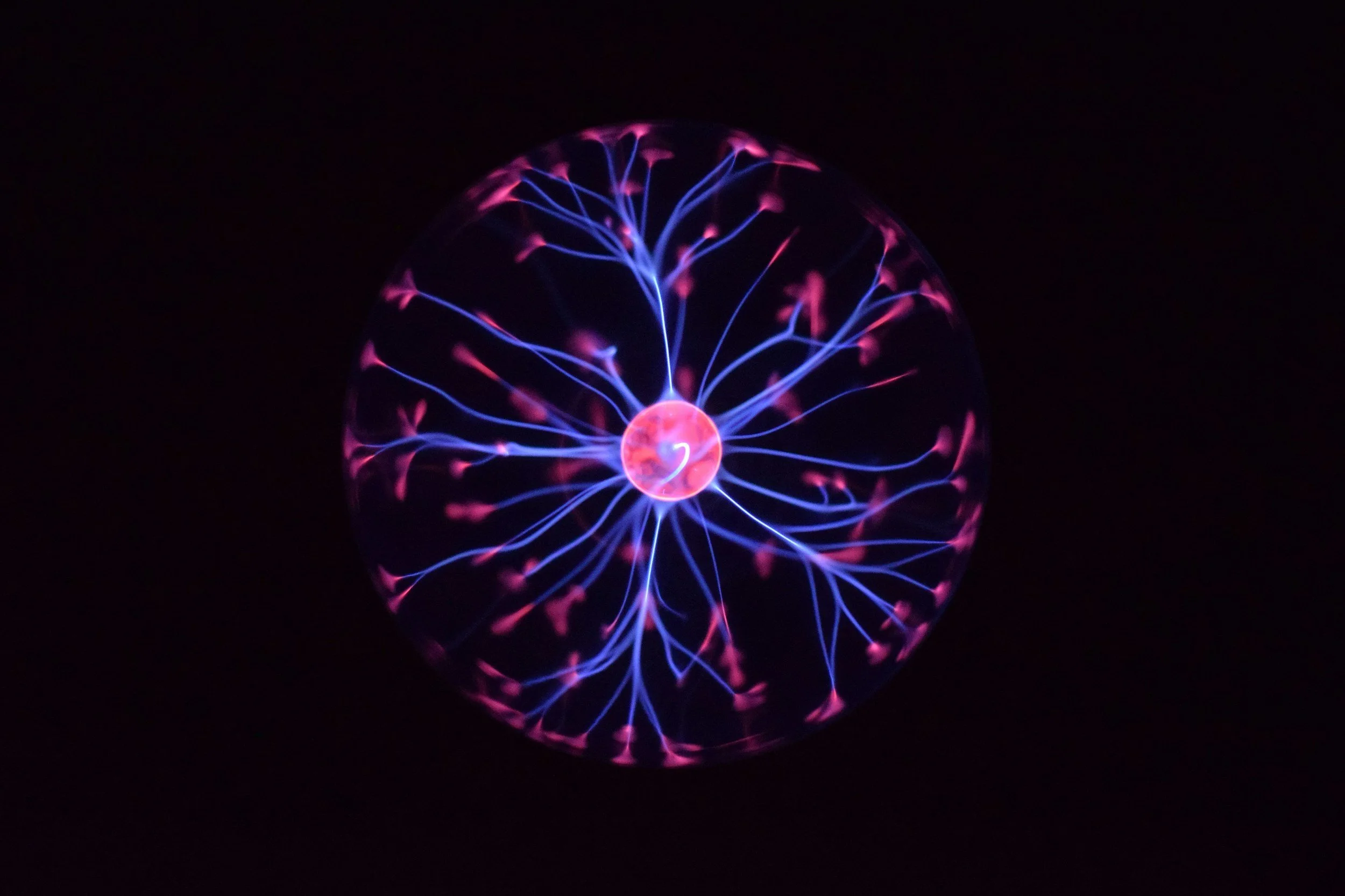
There are two broad types of awareness, and each has a noticeable effect on the body. Concentrative, or narrow, awareness is like tunnel vision: your attention is focal, hyper-focused and fixated on a single object or goal. This state tends to increase excess tension, shortening the neck muscles, clenching the jaw, pulling the head back and restricting the breath. Spatial, or expanded, awareness works more like panoramic vision, drawing on your peripheral sight so that you take in the whole room, including the ceiling and the floor. This broader, more inclusive state reduces unnecessary muscular readiness, allowing the muscles to return to their optimal resting length.

Mind and body
Alexander referred to the connection of mind and body as psychophysical unity. In other words, our minds and bodies are one continuous process that cannot be separated. We cannot have a calm, happy mind inside a tightly knotted, collapsed body because mind and body are one continuous process. So, our physical tension isn't just a symptom of our stress; it can keep our stress alive. We don't just feel stress; we physically do it and this physical state can keep the mental stress loop active.
Book a session
Take the first step towards moving with ease.
Book your introductory session to start identifying and releasing unconscious habits of muscle tension and find some lasting relief.